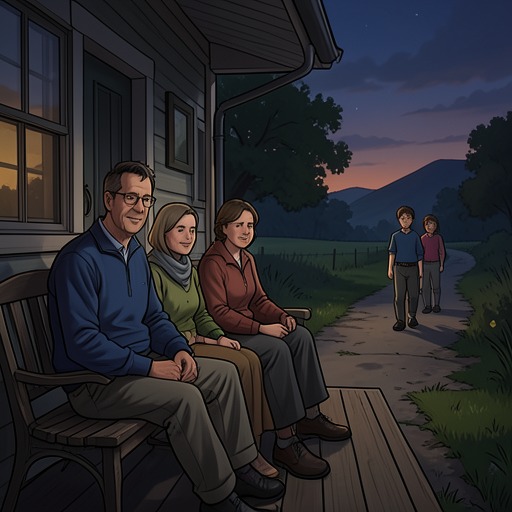
Big Days and little days
Defending JacobBig Days and little days names the book’s contrast between life’s few defining events and the long succession of ordinary days that follow them. Jacob’s exoneration is a Big Day, but it cannot serve as an ending: the little days continue, carrying the family into a routine shaped by trauma, isolation, and the effort to feel free again.
The Arithmetic of a Life
The narrator sets the scale in deliberately plain terms. A long life contains thirty or thirty-five thousand days, but only a few dozen seem to matter as Big Days, when something momentous happens. The rest, tens of thousands of them, are repetitive and unremarkable; people pass through them and promptly forget them. Looking back, they retain the striking days and discard the rest, arranging a long, shapeless life into a tidy story. The narrator acknowledges that this account does the same, even as it argues that most of living consists of the ordinary material such stories leave out.
That tension gives the phrase its narrative weight. A life can be told through decisive turns, but it is lived across the uncounted days between them. The ending of a major crisis therefore cannot make the rest of experience disappear: “The End” is never the end.
Exoneration and the Days After
Jacob’s exoneration is explicitly one of the Big Days. Yet its immediate aftermath reverses the expected logic of a triumphant conclusion. The family does not return to normal, and all three have forgotten what normal meant. They have no illusion that their former life will simply come back. As the euphoria of vindication fades, they settle instead into a barren routine.
Their daily habits register how the case has contracted their world. They rarely go out, avoiding restaurants and other public places where they feel watched. The narrator takes over grocery shopping because Laurie will not risk another encounter with the Rifkins at the market. While shopping, he adopts the habit of planning the week’s dinners—pasta Monday, chicken Tuesday, hamburgers Wednesday—a small domestic pattern laid over a life still altered by the case.
Even leisure is arranged around avoiding other people. The family goes to a few movies, usually midweek, and slips into the theater as the lights go down. They exercise on the basement treadmill rather than jog outdoors, spend long hours on the Web, and increase their Netflix plan so they can keep more DVDs at home. In retrospect, the routine sounds dismal; at the time, it feels wonderful. They are free, or something like it.
The Little Days as Aftermath
The contrast between the public enormity of exoneration and the private smallness of its aftermath complicates what a Big Day can accomplish. Vindication changes the family’s legal position, but does not erase their fear of being seen or restore their place in public life. The little days are not a return to the life that preceded the crisis. They are a newly improvised existence, secured by staying indoors, choosing quiet hours, and making ordinary plans.
The narrator’s retrospective form mirrors the concept: the account organizes life into a story while drawing attention to everything that resists that organization. Big Days make a coherent plot possible, but they do not contain the whole experience. The days that follow—repetitive, guarded, and at moments unexpectedly comforting—show why an apparent ending can be only another turn in a life that keeps going.